
Zero-interest business loans are open — but not every Australian business will qualify
The government-backed pathway may help eligible businesses in targeted manufacturing, logistics and supply-chain sectors. But your sector, documents, urgency, repayment source and lender fit still matter.
Before you spend days applying, check whether your business may fit the official pathway — or whether a bank, low-doc, invoice, equipment, line-of-credit or working-capital option makes more sense.
No credit pull to start · 90-second check · Secure partner form · No obligation
Comparison One is not a lender, credit provider, government agency or financial adviser. Funding availability, approval, rates, fees, timing and eligibility depend on lender or partner assessment.
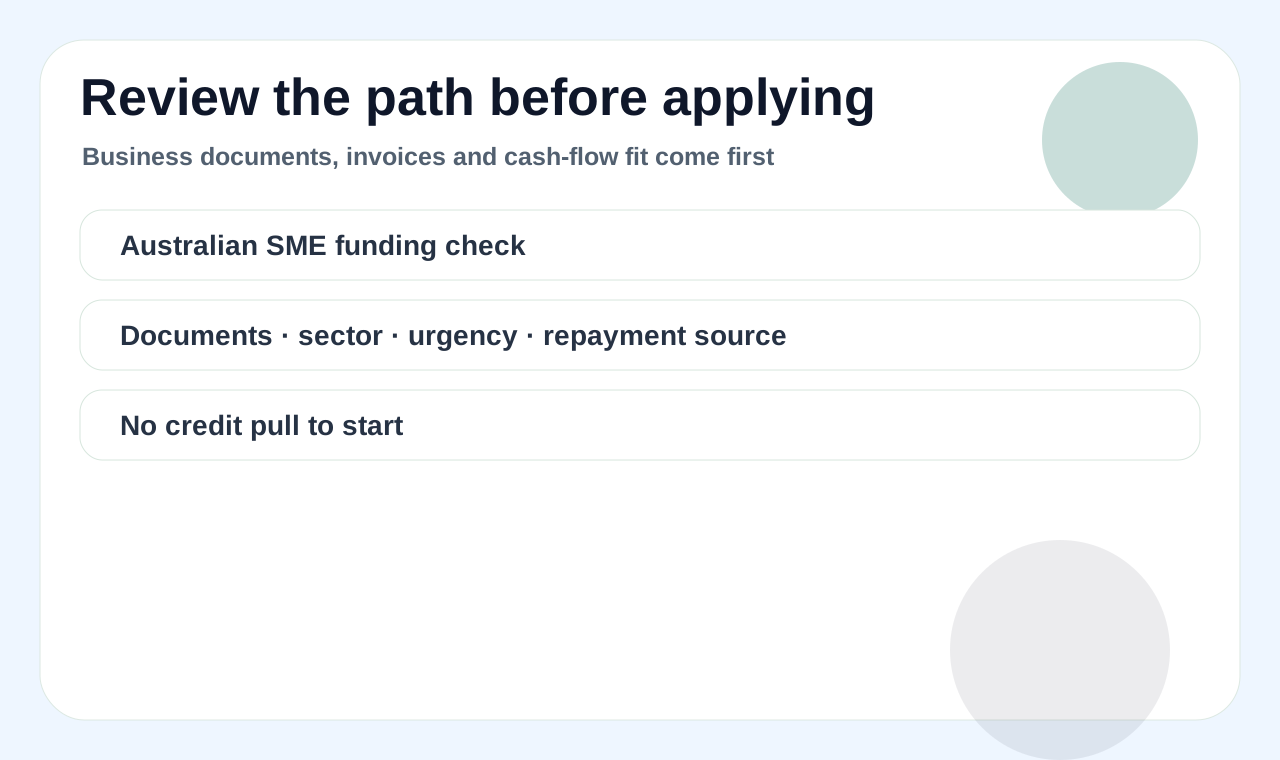
Australian business funding update
The headline sounds simple:
Zero-interest business loans.
For Australian business owners dealing with rising costs, supplier pressure, fuel bills, unpaid invoices, payroll timing, equipment needs or BAS stress, that kind of headline gets attention quickly.
And for some businesses, the government-backed pathway may be worth checking.
But there is a catch.
The pathway is not automatic.
It is not a blanket program for every Australian SME.
Eligibility, sector fit, documentation, repayment ability and bank-style assessment can still matter.
That means the real question is not only:
Can I get the zero-interest loan?
The better question is:
Which funding path actually fits my business before I apply anywhere?
Because applying to the wrong path first can cost time, create frustration, and leave you no clearer on what to do next.
Takes about 90 seconds · No credit pull to start
The zero-interest loan may be real. But the pathway is narrower than the headline sounds.
Government-backed funding can sound like the obvious first move.
And if your business fits the criteria, it may be worth exploring.
But business funding does not work by headline alone.
A program may be attractive, but still depend on things like:
And even when interest is zero, that does not mean the money is free.
Principal still needs to be repaid. Fees, terms, assessment criteria and repayment conditions may still apply depending on the pathway.
So the first step is not guessing.
The first step is checking fit.
- •Your industry or sector
- •Your business activity
- •Your ABN and trading history
- •Your evidence of disruption or business need
- •Your available documents
- •Your repayment source
- •Whether the pathway is bank-administered
- •Whether your business fits the program’s current criteria
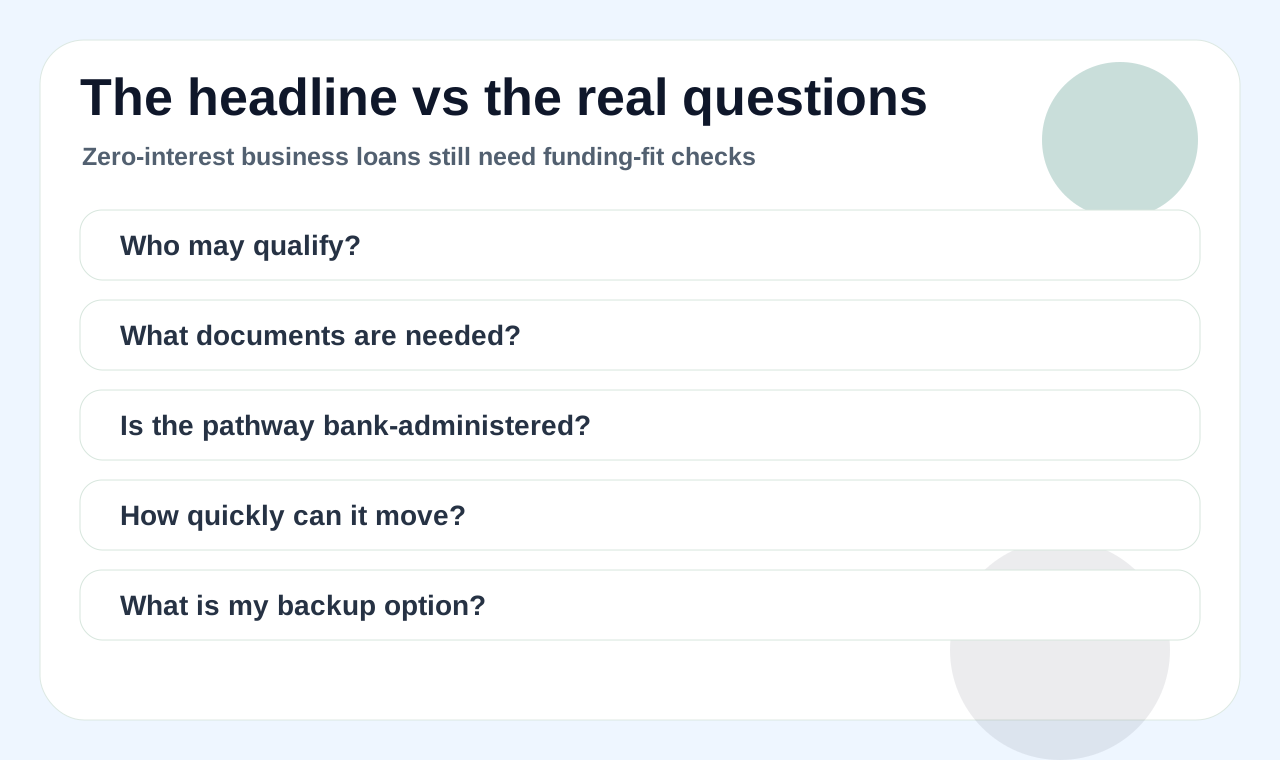
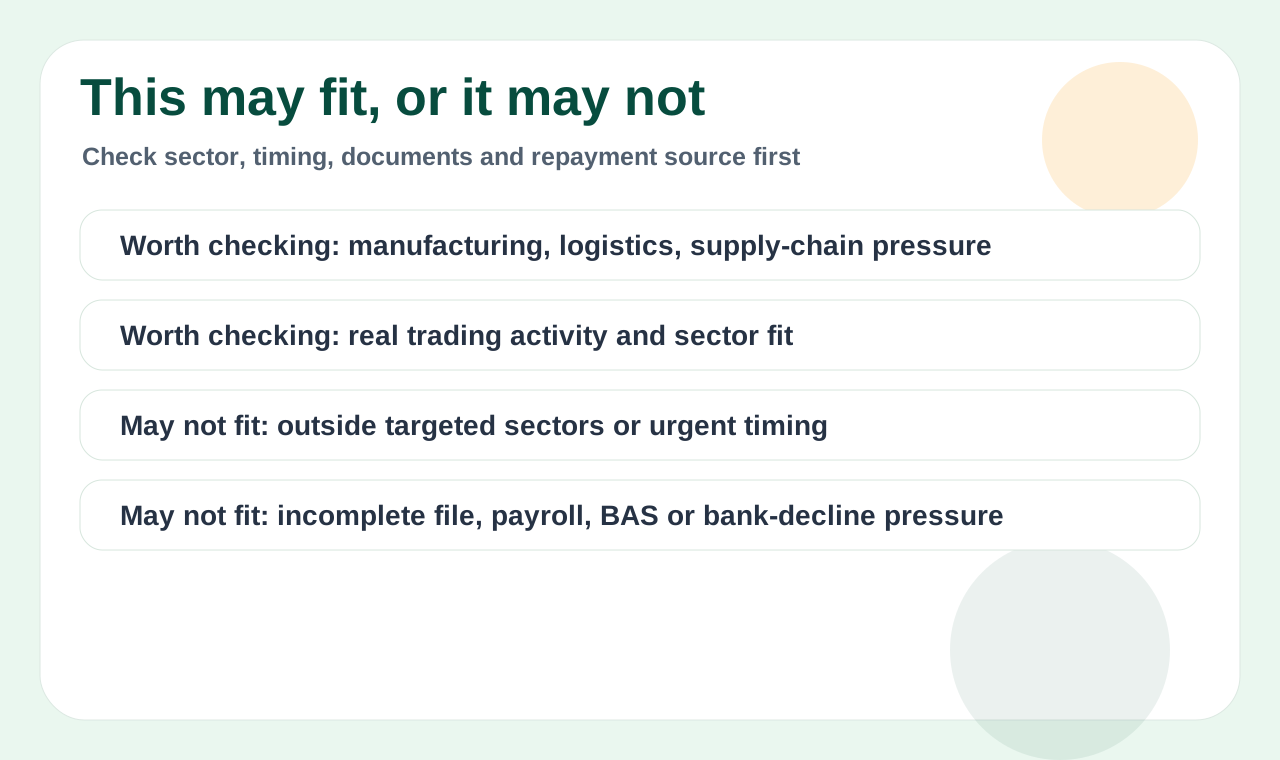
This pathway may be worth checking if…
The official pathway may be worth checking if your business fits the sector, criteria and assessment requirements. But it may not be the right first path if the documents, urgency, purpose or sector do not match the pathway. If you are unsure, do not guess. The safer move is to check which funding path may fit before you apply anywhere.
This may be worth checking if…
Operates in manufacturing, logistics, freight, fuel, fertiliser, plastics or related supply chains
This may not be the right first path if…
Your business is outside the targeted sectors
This may be worth checking if…
Has been affected by rising input costs, fuel costs, market disruption or supply-chain pressure
This may not be the right first path if…
You need funding faster than a bank-administered pathway may move
This may be worth checking if…
Needs funding but is unsure whether the government-backed or bank-administered route is realistic
This may not be the right first path if…
Your documents are incomplete or not yet ready
This may be worth checking if…
Has real trading activity but may not have every bank-style document ready
This may not be the right first path if…
Your need is payroll, unpaid invoices, equipment, stock, BAS/ATO pressure or short-term working capital
This may be worth checking if…
Wants to compare the official pathway against bank, low-doc or alternative funding options before applying
This may not be the right first path if…
You have already been declined by a bank and do not know why
No credit pull to start · Secure partner form · No obligation
The real risk is not missing one loan. It is applying to the wrong funding path first.
Most business owners start with the same question:
Can I get approved?
But that question often comes too late.
A better first question is:
Which funding path is actually built for a business like mine?
Because business funding is not one single category.
A payroll gap is not the same as an equipment purchase.
An unpaid invoice problem is not the same as BAS pressure.
A government-backed pathway is not the same as low-doc working capital.
A bank-ready business is not the same as a business with strong revenue but incomplete paperwork.
And a fast approval is not always a safe fit if the repayment structure puts more pressure on the cash flow it was meant to fix.
That is the Apply-Blind Funding Trap.
It happens when a business owner applies to the first promising headline, lender or offer they see before checking whether the path actually matches their documents, timing, purpose and repayment ability.
A business can be real, active and viable, but still be a poor fit for the first funding path it tries.
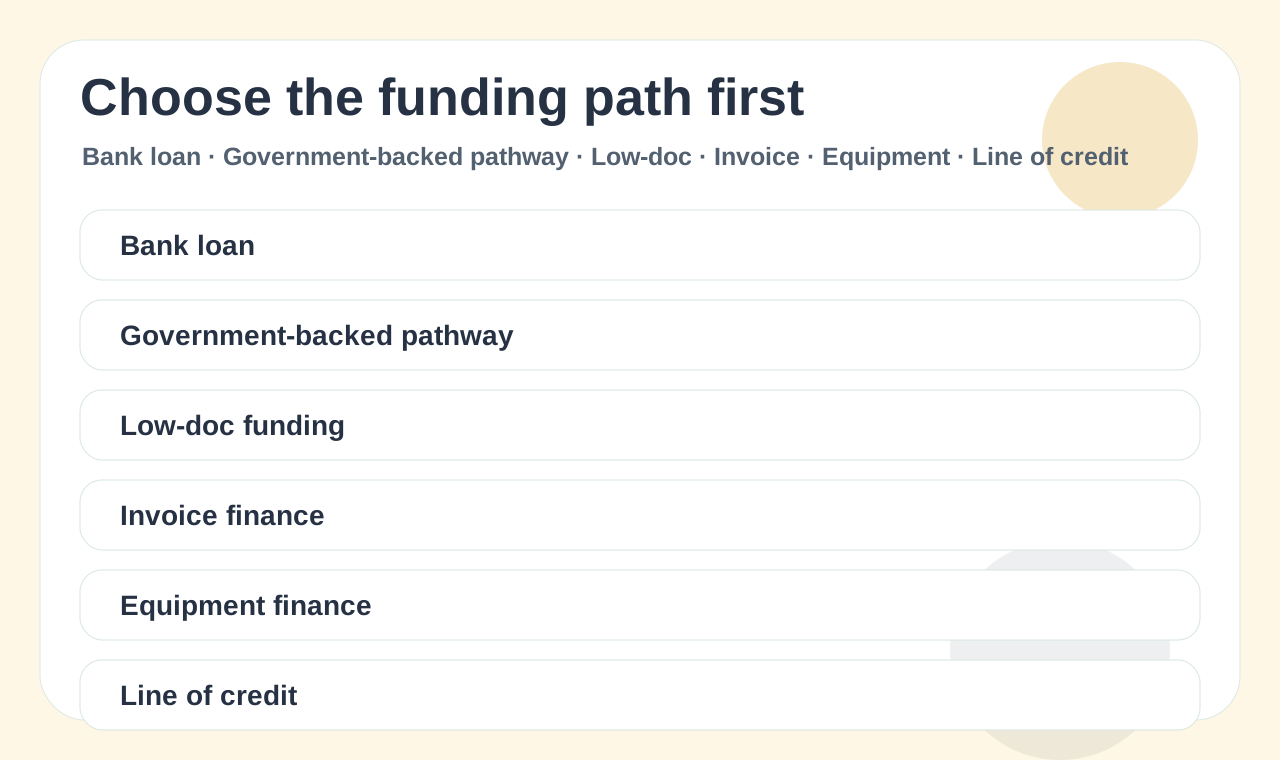
Comparison One starts one step earlier: with a Funding Fit Check
Comparison One’s Funding Fit Check is designed to help Australian business owners compare the likely path before comparing the lender.
Instead of pushing you straight into a full application, the check starts with practical questions about your business situation.
The goal is not to promise approval.
The goal is to help you stop guessing.
- •How much funding you are looking for
- •What the funding is mainly for
- •How urgently you need an answer
- •How long the business has been trading
- •Approximate monthly revenue
- •Whether your bank statements or BAS are ready
- •Whether you have been declined before
- •Whether your need is tied to invoices, stock, equipment, payroll, tax pressure or another business purpose
- •Whether the government-backed pathway may be realistic
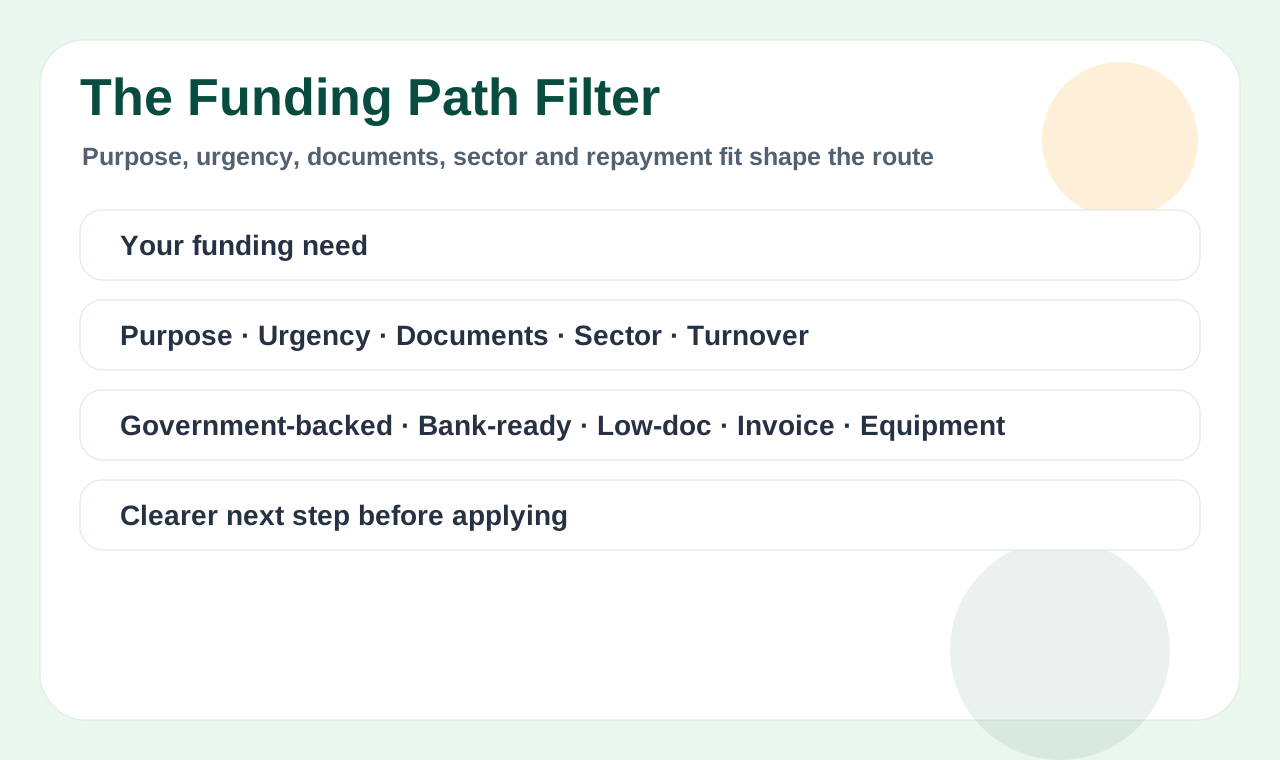
You are not applying yet. You are checking the path.
Different funding problems may need different funding paths
The mistake many business owners make is treating all business funding as the same. But the right path depends on the actual problem you are solving.
Payroll or supplier pressure
You may need a working-capital pathway that considers speed, repayment timing and current cash flow.
Check my working-capital pathUnpaid invoices
Invoice finance may be more relevant than a general business loan if the money is already owed to you but has not arrived yet.
Check if invoice-led funding may fitEquipment or vehicles
Equipment or asset-backed finance may match the purchase better than using short-term working capital for a long-life asset.
Check my equipment funding pathIncomplete paperwork
A low-doc pathway may be possible, but lender fit and repayment fit matter even more when the file is not bank-perfect.
Find my low-doc funding pathwayThe bank already said no
A bank decline may reflect a mismatch in documents, security, trading history, purpose, serviceability or lender criteria.
Decode my bank declineChecking the zero-interest pathway
The government-backed route may be worth exploring if your business fits the sector, criteria and assessment requirements.
Check if the official pathway is realisticBAS or ATO pressure
Sometimes the first move is understanding the pressure and structure before taking on new debt.
Check my BAS/tax pressure path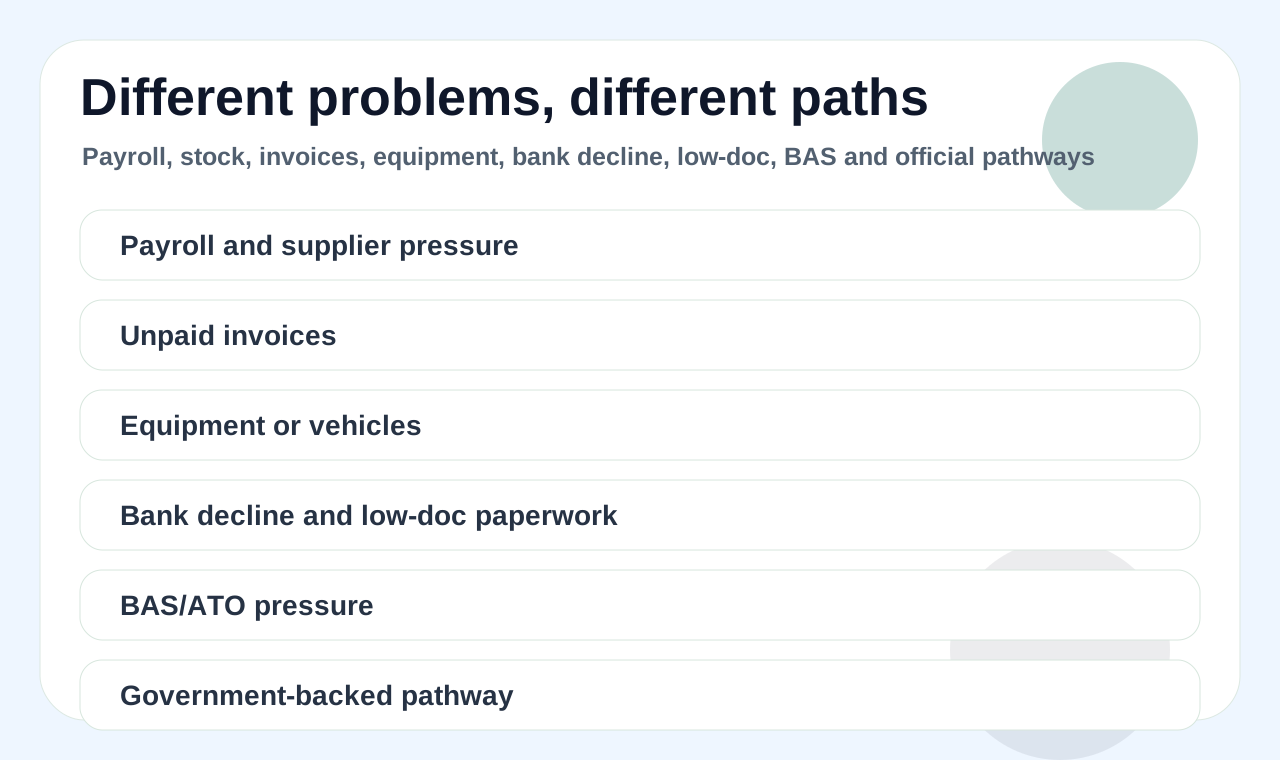
Do not fit the zero-interest pathway? That does not always mean you are out of options.
Many business owners will not fit the official zero-interest pathway.
That does not automatically mean the business is unfinanceable.
It may simply mean the business needs a different route.
Depending on the situation, another path may be more relevant.
The key is not to apply everywhere and hope.
The key is to check which path makes sense before you hand your details to another lender or program.
A decline is information, not a verdict.
- •A bank-ready pathway
- •A low-doc or non-bank pathway
- •Invoice finance
- •Equipment or vehicle finance
- •A line of credit
- •Working capital
- •A tax/BAS pressure strategy
- •Another partner-funded pathway
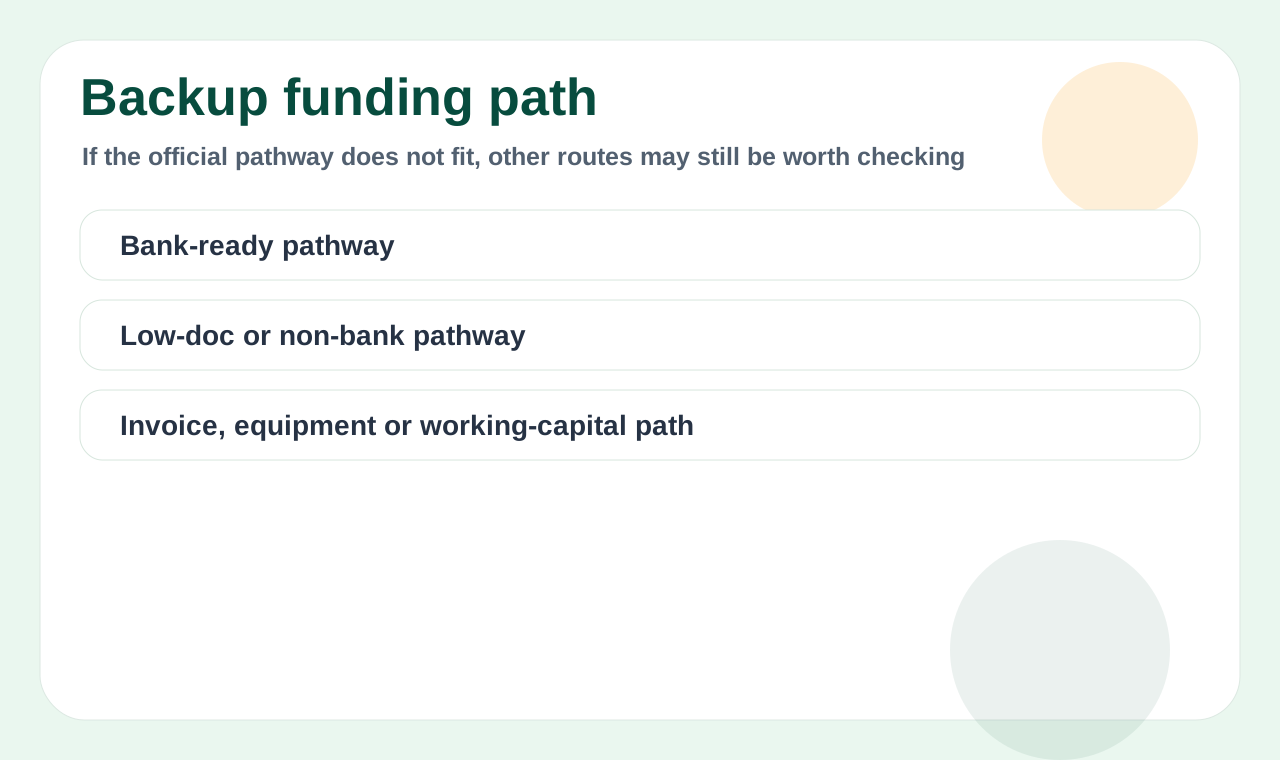
No credit pull to start · No obligation · Secure partner form
Your business may be stronger than your paperwork makes it look
Many real Australian businesses do not look perfect on paper.
Tax returns may not be up to date.
BAS may not tell the full story.
Revenue may be seasonal.
Invoices may be delayed.
Stock, fuel, wages or equipment costs may have hit before customer payments arrived.
That does not mean every funding path is open.
But it also does not always mean every door is closed.
Low-doc and flexible funding pathways may exist for some businesses, but they should be approached carefully.
Why?
Because when the paperwork is lighter, the path fit matters more.
The repayment structure, fees, timing, lender type and use of funds all need to make sense for the business.
Check the path before choosing a lender.
A safer first step before a full application
The Funding Fit Check is designed to be a lower-friction first step.
You are not being told to accept a loan.
You are not being promised approval.
You are not being told every business qualifies.
You are checking which path may fit your situation before moving deeper into an application process.
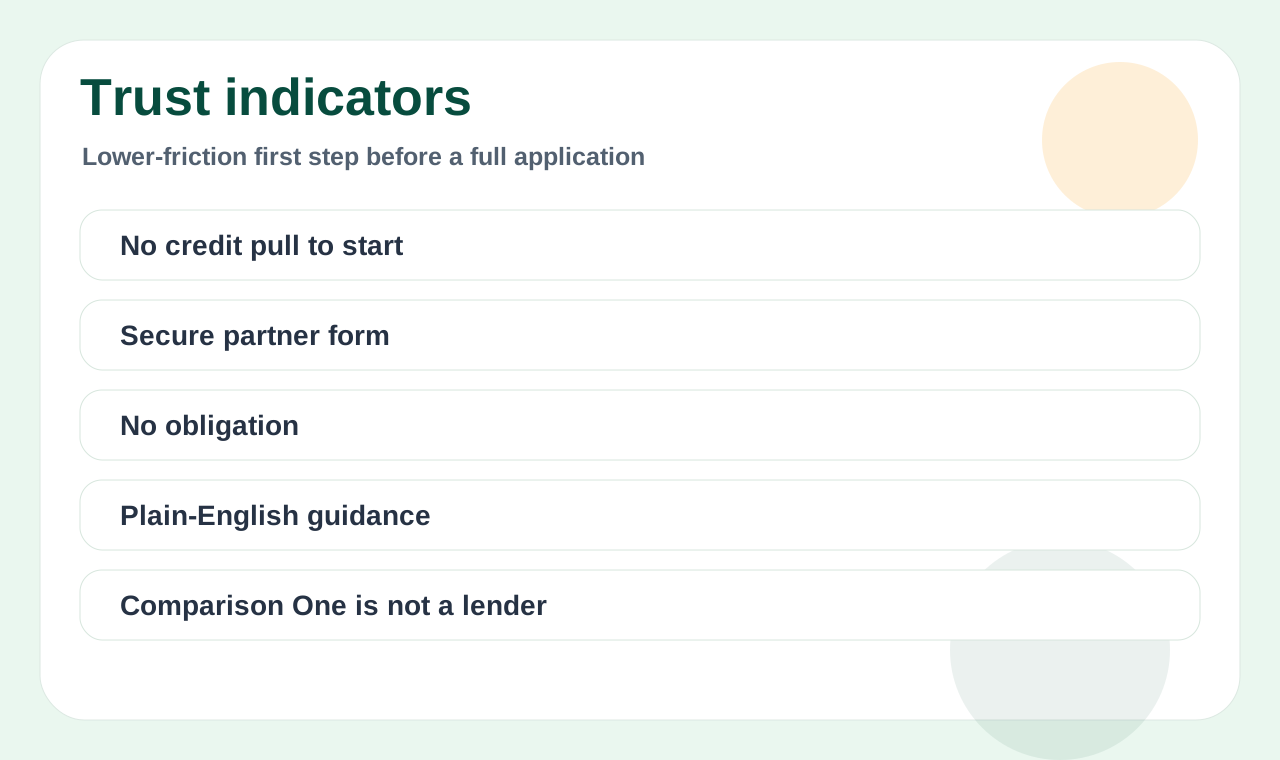
Trust cue
No credit pull to start
What it means
The initial check is designed to start without a credit pull. If you proceed with a lender or partner, later checks may apply.
Trust cue
Secure partner form
What it means
Some pathways may continue through secure external partner forms. Separate partner terms and privacy policies may apply.
Trust cue
No obligation
What it means
You can check your path without being obligated to proceed.
Trust cue
Plain-English guidance
What it means
The page is designed to help you understand the route, not bury you in finance jargon.
Trust cue
Not a lender
What it means
Comparison One is not a lender, credit provider, government agency or financial adviser.
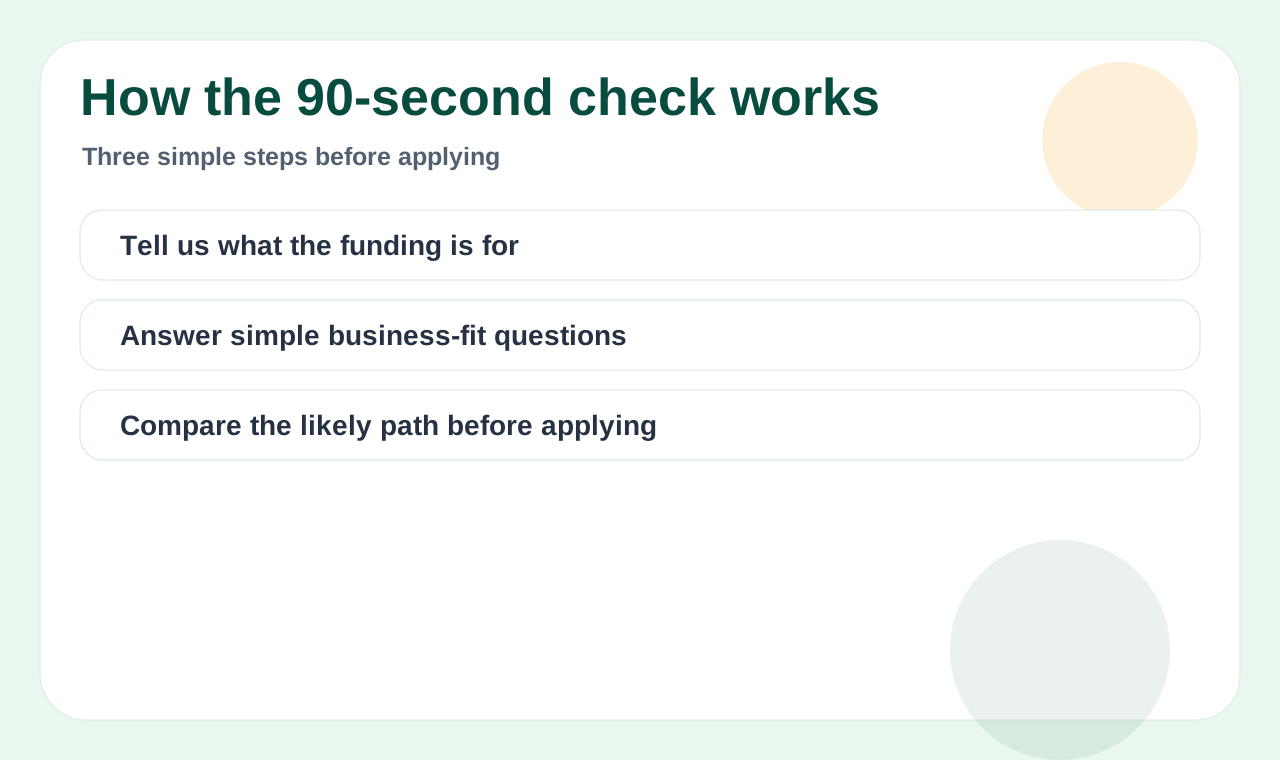
How the 90-second Funding Fit Check works
The check is designed to help you compare the likely route before applying.
Step
Step 1: Tell us what the funding is for
What happens
Cash flow, payroll, stock, equipment, invoices, tax pressure, expansion, government-backed funding, or another business need.
Step
Step 2: Answer simple business-fit questions
What happens
Your business type, trading history, approximate revenue, urgency, documents and whether you have been declined before can all affect the path.
Step
Step 3: Compare the likely route before applying
What happens
You may be routed toward a government-backed, bank, low-doc, non-bank, invoice, equipment, line-of-credit or other partner-funded pathway depending on your situation.
Takes about 90 seconds · No credit pull to start · No obligation
Before you apply anywhere, check which funding path actually fits your business
If your business needs funding, the fastest move is not always the smartest move.
And the cheapest-looking headline is not always the right path.
Your business may need the official government-backed route, a bank-ready path, a low-doc alternative, invoice finance, equipment finance, working capital, or something else entirely.
The first step is knowing which path may fit.
Start with the 90-second Funding Fit Check and get a clearer next move before applying blindly.
Comparison One is not a lender, credit provider, government agency or financial adviser. Information is general in nature. Funding availability, approval, rates, fees, timing, repayment terms and eligibility depend on lender or partner assessment.
No credit pull to start · Secure partner form · No obligation · Partner terms may apply
Start My 90-Second Funding Fit Check
No credit pull to start · Secure partner form · No obligation · Partner terms may apply
Secure partner quote form
Enter an amount on any page or continue below.
Common questions before you start
Is Comparison One a lender?
No. Comparison One is not a lender, credit provider, government agency or financial adviser. It is a comparison and education pathway that may connect users with secure partner forms or relevant funding partners.
Is this a government website?
No. Comparison One is not a government agency. This page may discuss government-backed funding options, but access to any government-backed program depends on the relevant criteria, lender or program assessment.
Will this affect my credit score?
The initial Funding Fit Check is designed to start without a credit pull. If you choose to proceed with a lender or partner, later credit checks or assessment steps may apply.
Is approval promised?
No. Approval is not promised. Funding availability, approval, rates, fees, repayment terms, timing and eligibility depend on lender or partner assessment.
What if I do not qualify for the zero-interest pathway?
That is one reason the check exists. If the official pathway is not realistic, your business may still be better suited to another funding route, such as a bank, low-doc, invoice, equipment, line-of-credit or working-capital pathway.
Do I need perfect paperwork?
Not always, but documents still matter. Some pathways may be more flexible than traditional bank funding, but your available documents, bank statements, revenue, trading history and repayment fit can all affect options.
Are low-doc loans more expensive?
Some flexible or non-bank pathways may cost more than traditional bank finance. That is why it is important to check the funding path, repayment structure and trade-offs before proceeding.
How fast can I get funding?
Timing depends on the pathway, your documents, lender or partner assessment and the type of funding. Some pathways may move faster than traditional bank processes, but no timing should be assumed before assessment.
What happens after I complete the check?
Depending on your answers, you may be shown or connected to a relevant next step. Some pathways may continue through secure external partner forms, where separate partner terms and privacy policies may apply.
What if I have already been declined by a bank?
A bank decline does not always mean every path is closed. It may mean the bank route, documents, security, timing, purpose or serviceability did not fit. A funding-fit check can help you think through the next realistic step.