
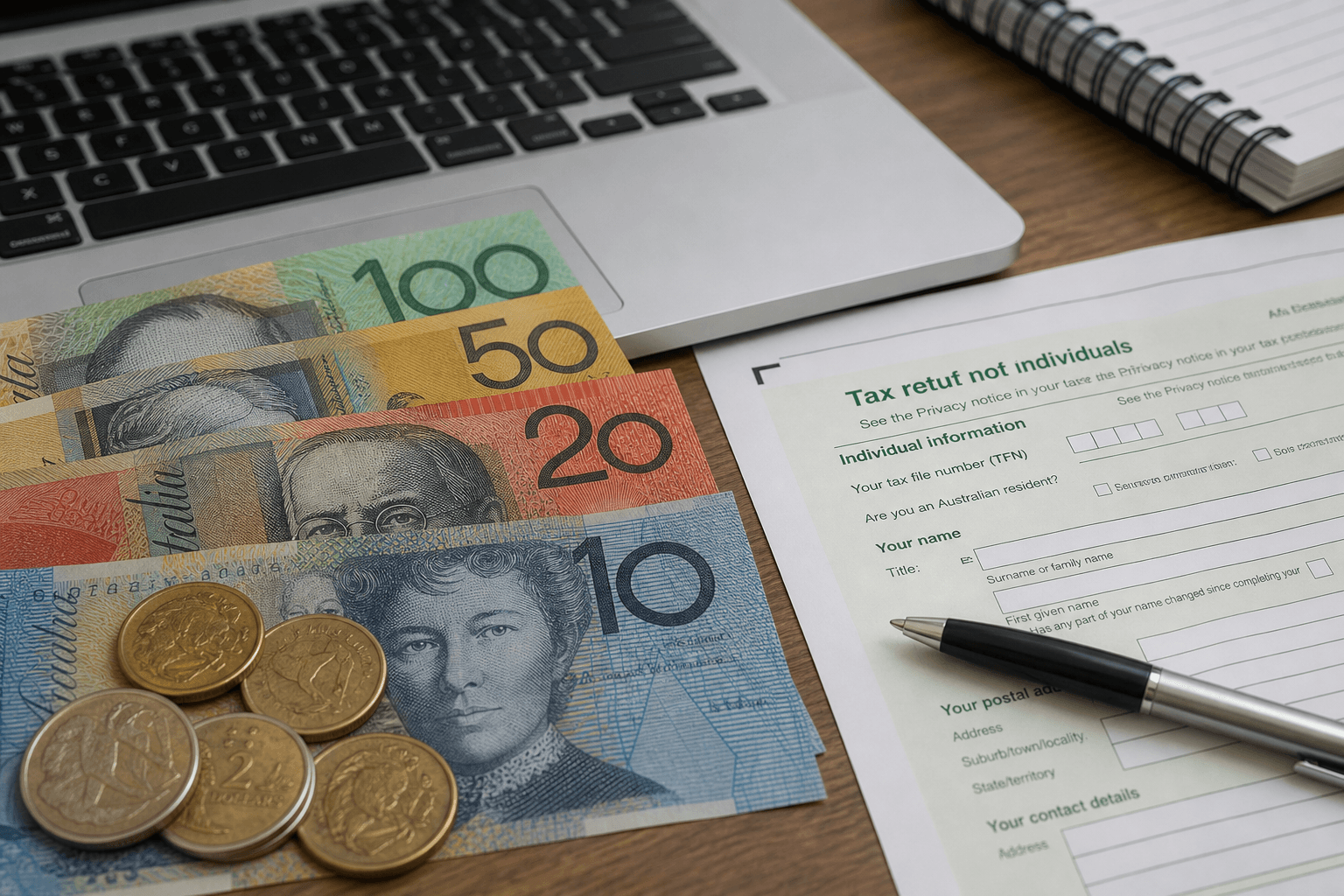
Knocked Back by a Bank
Knocked Back by a Bank is a business funding pathway for Australian SMEs. It may suit businesses with a clear use of funds, current trading evidence and a realistic repayment source. It may not suit businesses using debt to cover unresolved losses or applying without documents.
A bank decline can feel final. But it does not always mean the business is unfundable. Sometimes it means the application did not fit that bank’s criteria, security expectations, paperwork requirements, timing, industry appetite or serviceability model. The worst next step is usually to panic-apply everywhere else. The better next step is to understand why the bank declined, then compare which funding pathway may fit the business situation more realistically.
Why banks decline SME applications
Banks assess business loans against policy and risk criteria.
Common decline reasons include:
Not enough security:
A bank may require property, asset security or a guarantee that the business owner is unwilling or unable to provide.
Serviceability concerns:
The bank may not be satisfied the business can afford repayments based on financial statements, cash flow, existing debts or recent conduct.
Short trading history:
Newer businesses may not have enough history for that bank’s policy.
Tax debt or ATO arrears:
Outstanding tax debt can make lenders more cautious, especially if payment arrangements are not clear.
Documentation gaps:
Missing financials, outdated accounts, incomplete BAS, poor forecasts or unclear use of funds can weaken an application.
Industry risk:
Some industries may be assessed as higher risk depending on conditions, volatility, margins or lender policy.
Bank account conduct:
Dishonours, overdrawing, returned payments, irregular deposits or gambling/personal use through the business account may concern lenders.
Loan purpose does not fit:
A bank may decline if the requested product does not match the stated use of funds.
What a bank decline does not always mean
A decline does not automatically mean:
It may simply mean the bank was not the right fit.
However, it also does not mean another lender will definitely approve. Some decline reasons are serious and need work before any new application.
- ✓ the business is failing
- ✓ no lender will consider the application
- ✓ the owner has done something wrong
- ✓ non-bank options are impossible
- ✓ the business should take the first fast offer
Compare business loan rates and lenders in Australia
Filter by product, amount and security type to narrow suitable options.
Product type
| Lender | Product | Rate from | Amount | Term | Speed | Compare |
|---|---|---|---|---|---|---|
| Liberty | Liberty Business Loan Flexible criteria and sole traders | 7.95% - 17.45% | $10,000 - $350,000 | 1-7 years | 24-72 hours | Compare now |
| Prospa | Prospa Business Loan Fast unsecured working-capital access | 13.90% | $5,000 - $500,000 | 0.3-3 years | Within 24 hours | Compare now |
| Banjo | Banjo Business Finance Growing SMEs needing flexible capital | 14.20% | $20,000 - $500,000 | 0.3-3 years | 1-2 business days | Compare now |
| OnDeck | OnDeck Business Loan Fast online unsecured lending | 15.00% | $10,000 - $250,000 | 0.5-3 years | 24-48 hours | Compare now |
| Moula | Moula Business Loan Short-term cash-flow funding | 15.80% | $5,000 - $250,000 | 0.3-2 years | Same day possible | Compare now |
| Capify | Capify Business Loan Short-term revenue-linked funding | 16.50% | $5,000 - $300,000 | 0.3-2 years | Within 24 hours | Compare now |
Liberty
Liberty Business Loan
7.95% - 17.45%
$10,000 - $350,000 • 1-7 years
24-72 hours
Best for: Flexible criteria and sole traders
Compare nowProspa
Prospa Business Loan
13.90%
$5,000 - $500,000 • 0.3-3 years
Within 24 hours
Best for: Fast unsecured working-capital access
Compare nowBanjo
Banjo Business Finance
14.20%
$20,000 - $500,000 • 0.3-3 years
1-2 business days
Best for: Growing SMEs needing flexible capital
Compare nowOnDeck
OnDeck Business Loan
15.00%
$10,000 - $250,000 • 0.5-3 years
24-48 hours
Best for: Fast online unsecured lending
Compare nowMoula
Moula Business Loan
15.80%
$5,000 - $250,000 • 0.3-2 years
Same day possible
Best for: Short-term cash-flow funding
Compare nowCapify
Capify Business Loan
16.50%
$5,000 - $300,000 • 0.3-2 years
Within 24 hours
Best for: Short-term revenue-linked funding
Compare nowRates shown are publicly advertised starting rates and ranges where available. Your actual rate depends on lender assessment, security, turnover, time in business, credit profile and loan structure. Updated 10 May 2026.
What not to do after a bank decline
Avoid applying everywhere at once:
Multiple rushed applications can waste time and create confusion. Some lenders may ask whether you have recently been declined.
Do not hide the decline reason:
If there is tax debt, poor conduct or serviceability pressure, it is better to understand it early.
Do not take any offer just because it is available:
Fast approval can feel like relief. Check repayments, total cost, fees and guarantees.
Do not ignore the business problem:
If the decline is due to deeper cash-flow weakness, more debt may not solve the issue.
Do not assume non-bank means no checks:
Non-bank lenders still assess risk, affordability and use of funds.
What to do next
Step 1: Ask why the bank declined:
Ask for clear feedback. Was it security, serviceability, documents, credit history, tax position, industry or use of funds?
Step 2: Check the funding purpose:
Is the money for working capital, unpaid invoices, equipment, a vehicle, stock, tax pressure or a bigger job? A different product may fit better.
Step 3: Prepare the missing evidence:
This may include:
Step 4: Compare lender type:
A non-bank lender, invoice financier, equipment financier or specialist product may be worth exploring, depending on the reason for the decline.
Step 5: Test affordability:
Do not focus only on getting approved. Check whether repayments are sustainable.
- ✓ bank statements
- ✓ updated financials
- ✓ BAS
- ✓ ATO statements
- ✓ contracts or purchase orders
- ✓ invoices
- ✓ asset quotes
- ✓ cash-flow forecast
- ✓ explanation of recent issues
Bank criteria vs non-bank criteria
Banks often rely on more formal financial information, policy requirements and security.
Non-bank lenders may place more weight on recent revenue, bank-statement conduct, unpaid invoices, assets or specific funding scenarios.
For example:
- ✓ If the bank declined due to lack of property security, an unsecured lender may still consider the business if revenue is strong
- ✓ If the bank declined due to incomplete financials, a bank-statement lender may be possible
- ✓ If the bank declined a working-capital request but the business has unpaid B2B invoices, invoice finance may be a better fit
- ✓ If the bank declined because cash flow is too weak, borrowing elsewhere may also be risky
Alternative funding pathways to consider
Working capital finance:
May suit short-term operating gaps if the business can afford repayments.
Invoice finance:
May suit B2B businesses with eligible unpaid invoices.
Equipment finance:
May suit asset purchases where the equipment has business value.
Unsecured business loans:
May suit some businesses with strong recent revenue and no desire to offer specific security.
Line of credit:
May suit repeat cash-flow timing gaps.
Government or bank programs:
May suit eligible businesses, but criteria and delivery channels can be narrow.
When not to borrow
Sometimes the most useful answer is not another application.
Do not borrow without advice if:
Seek professional help early.
- ✓ the business cannot meet existing obligations
- ✓ creditors are enforcing
- ✓ ATO action is escalating
- ✓ the loan is only covering losses
- ✓ there is no clear repayment source
- ✓ directors may be exposed personally
- ✓ insolvency advice is needed
Comparison One bank-decline checklist
Before applying again, answer:
- ✓ Why did the bank decline?
- ✓ Was the issue security, serviceability, documentation, tax, credit or industry?
- ✓ Is the funding purpose clear?
- ✓ Which product type best fits the need?
- ✓ What documents are ready?
- ✓ What repayment amount can the business afford?
- ✓ Would non-bank, invoice, equipment or unsecured finance be more relevant?
- ✓ Is professional advice needed before taking on debt?